

304 vs 316L Stainless Steel: Key Differences and Applications

A detailed comparison of 304 and 316l stainless steelmaterials to help you choose the right solution for your project.

1. Overview

304 and 316L are two of the most widely used austenitic stainless steels. While they share many similarities, their chemical composition and performance characteristics make them suitable for different environments and applications.

Understanding their key differences helps you make the best material choice for performance, durability, and cost-efficiency.

2. Chemical Composition Comparison


Element304 Stainless Steel (%)316L Stainless Steel (%)
Chromium (Cr)18.0 – 20.016.0 – 18.0
Nickel (Ni)8.0 – 10.510.0 – 14.0
Molybdenum (Mo)2.0 – 3.0
Carbon (C)≤ 0.08≤ 0.03
Manganese (Mn)≤ 2.00≤ 2.00
Silicon (Si)≤ 1.00≤ 1.00
Phosphorus (P)≤ 0.045≤ 0.045
Sulfur (S)≤ 0.030≤ 0.030
Iron (Fe)BalanceBalance

Chromium (Cr)

Provides coroslon resislanceand oxidation resistance.

Nickel (Ni)

Enhances toughness andformability.

Molybdenum (Mo)

Improves resistance to pittingand crevice corrosion.

Low Carbon (316L)

"L"stands for low carbon, reducingthe risk of carbide precipitationduring welding.

3. Key Differences

Comosion Resistance

316L offers superior resisiance to piting andcrevice corosion.especially in chloride environments.

Chemical Composition

316L contains 2-3% molybdenum. while 304 does not.

Weldability

316L's iower carbon content minimizes carkide precipitation, making it better for weiding.

Strength & Durability

Both have simlar strength. but 316L perfors better in harsh conditions.

Cost

304 is generally more costeffective, while 316L is ideal for demanding environments.

4. Applications Comparison

304 Stainless Steel
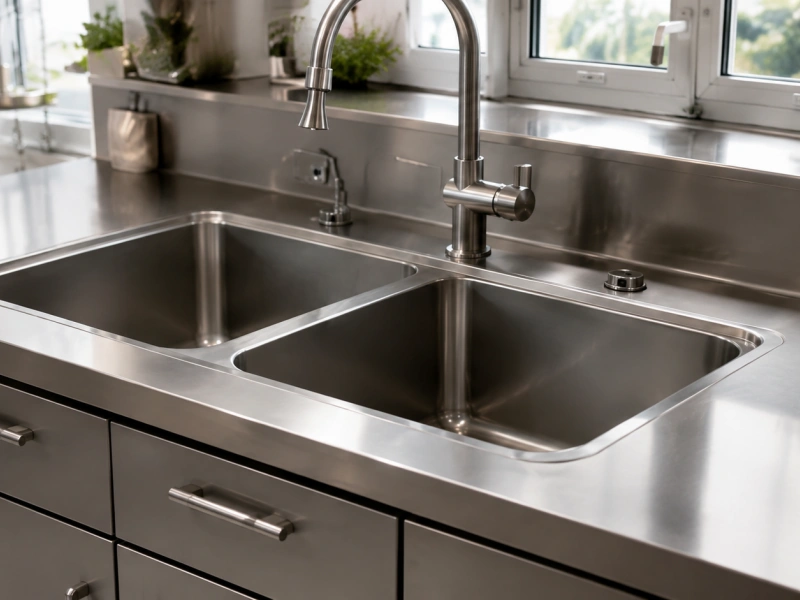
Kitchen equipment & sinks
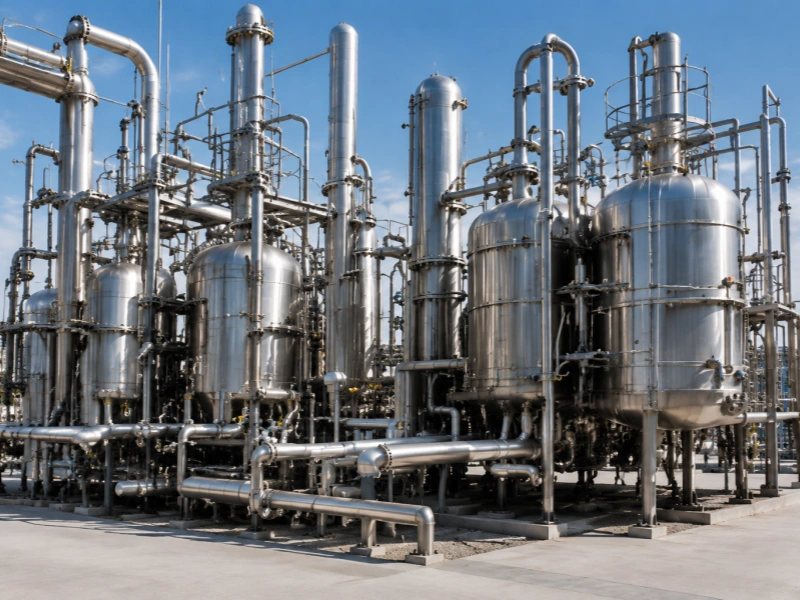
Architectural trim & handrails
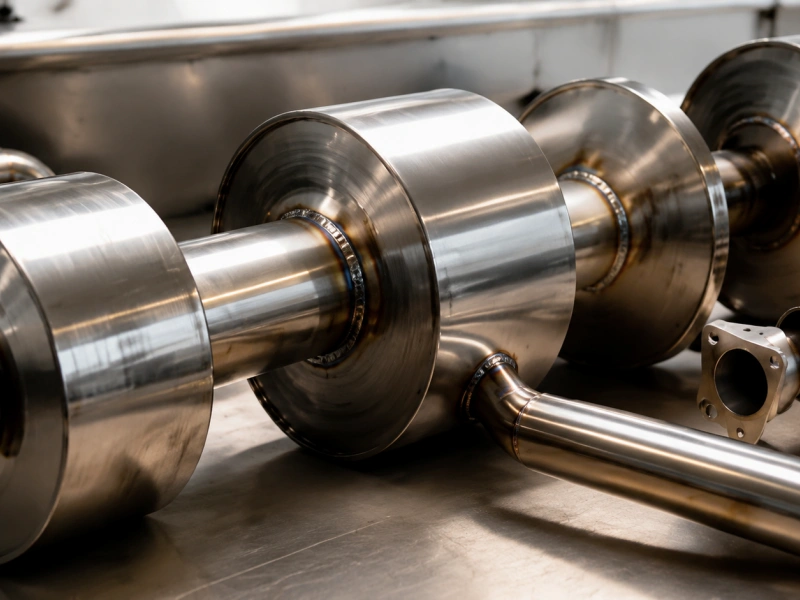
Automotive exhaust components
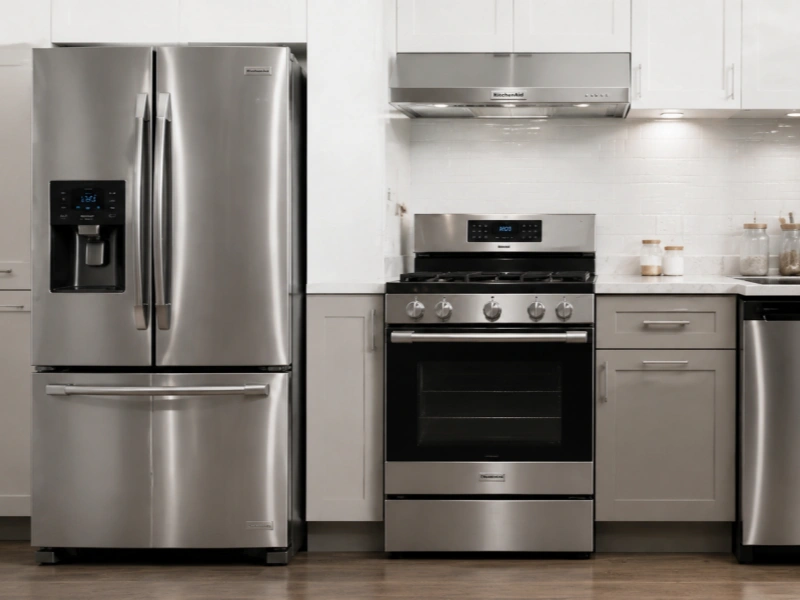
Home appliances
Home appliances
General industrial equipment
VS
316L Stainless Steel
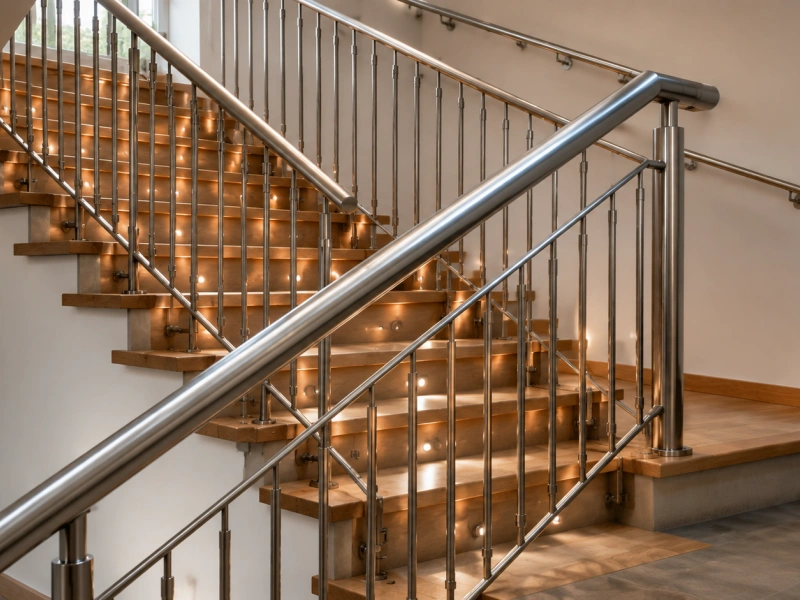
Chemical processing equipment
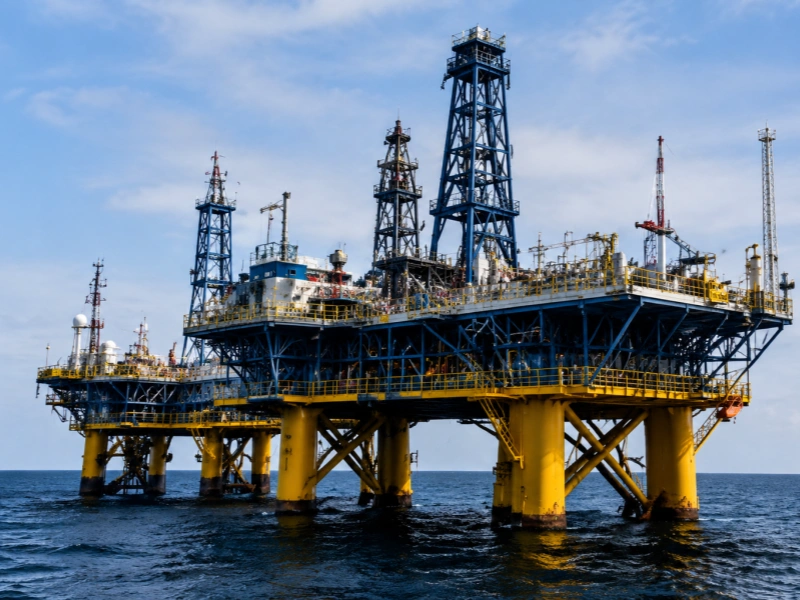
Marine & offshore applications
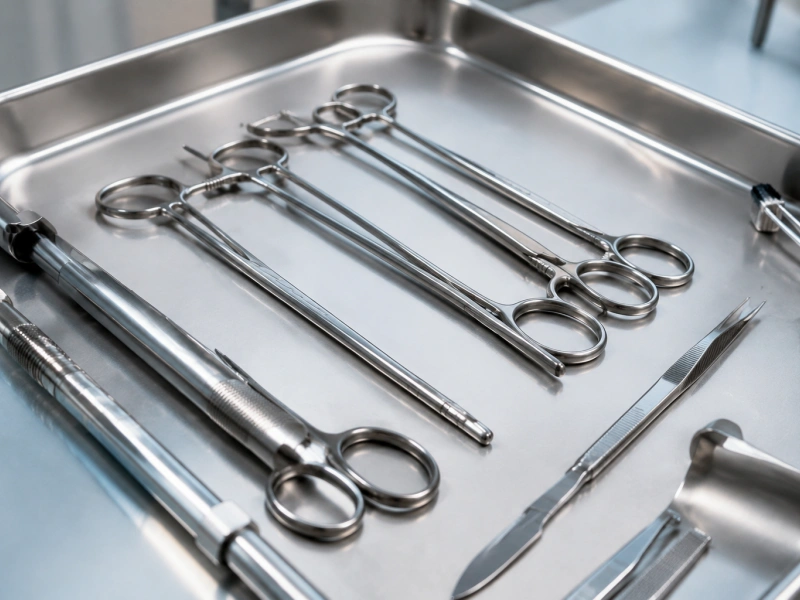
Medical & pharmaceutical equipment
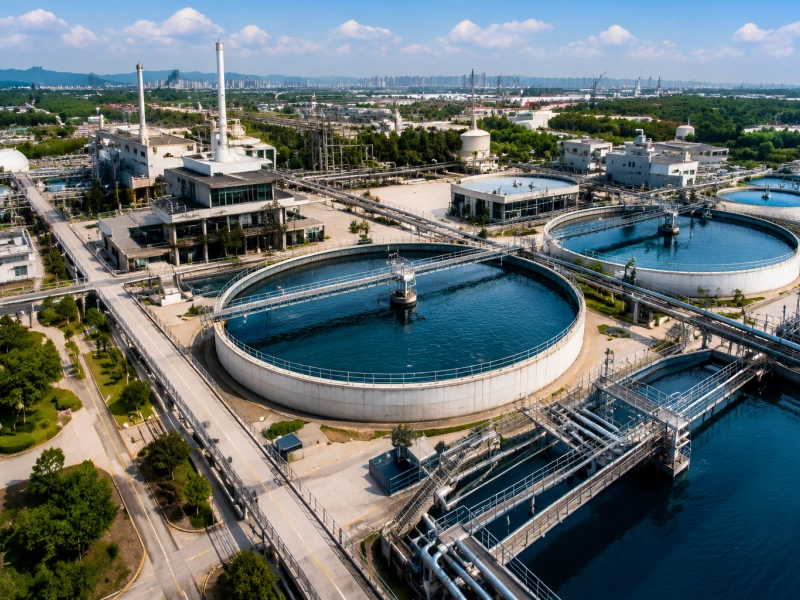
Water treatment & desalination plants
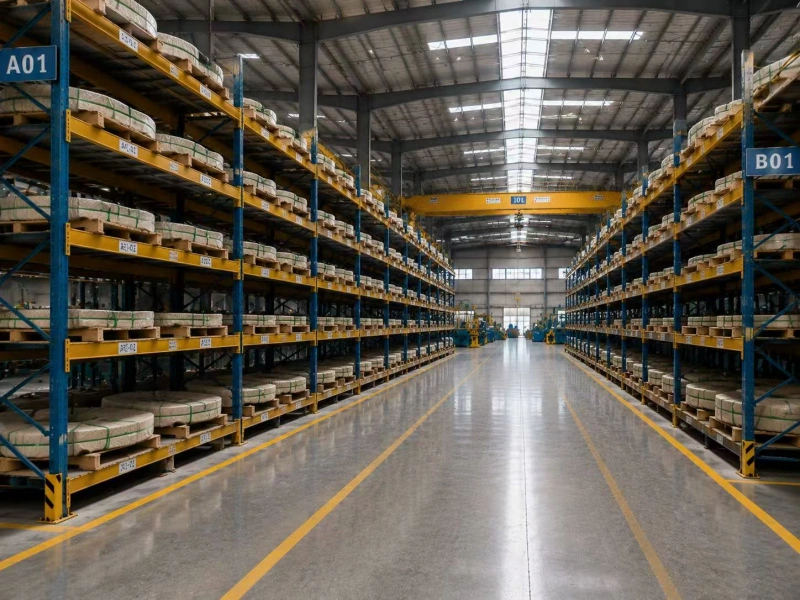
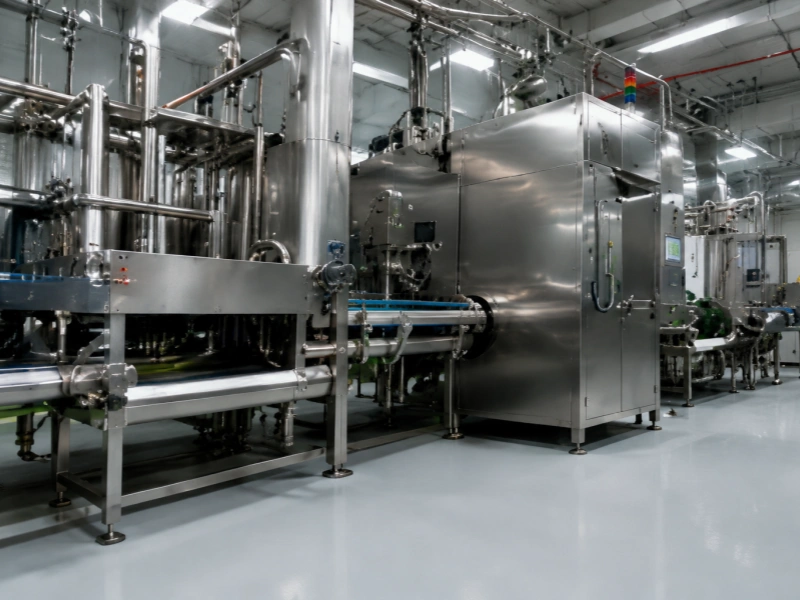
Food & beverage processing equipment

5. How to Choose?

Choose 304 stainless steel for general applications where cost-efficiency and good corrosion resistance are sufficient.

Choose 316L stainless steel for environments exposed to chlorides, acids, or harsh chemicals where superior corrosion resistance and weldability are critical.

Need Help Choosing the Right Stainless Steel?

Our experts are ready to assist you in finding the perfect material for your application.

Need Ultra-Thin Stainless Steel Foil for Your Project?

Contact our experts today to get a customized solution for your specific needs.

Ask For Quote